
In This Article
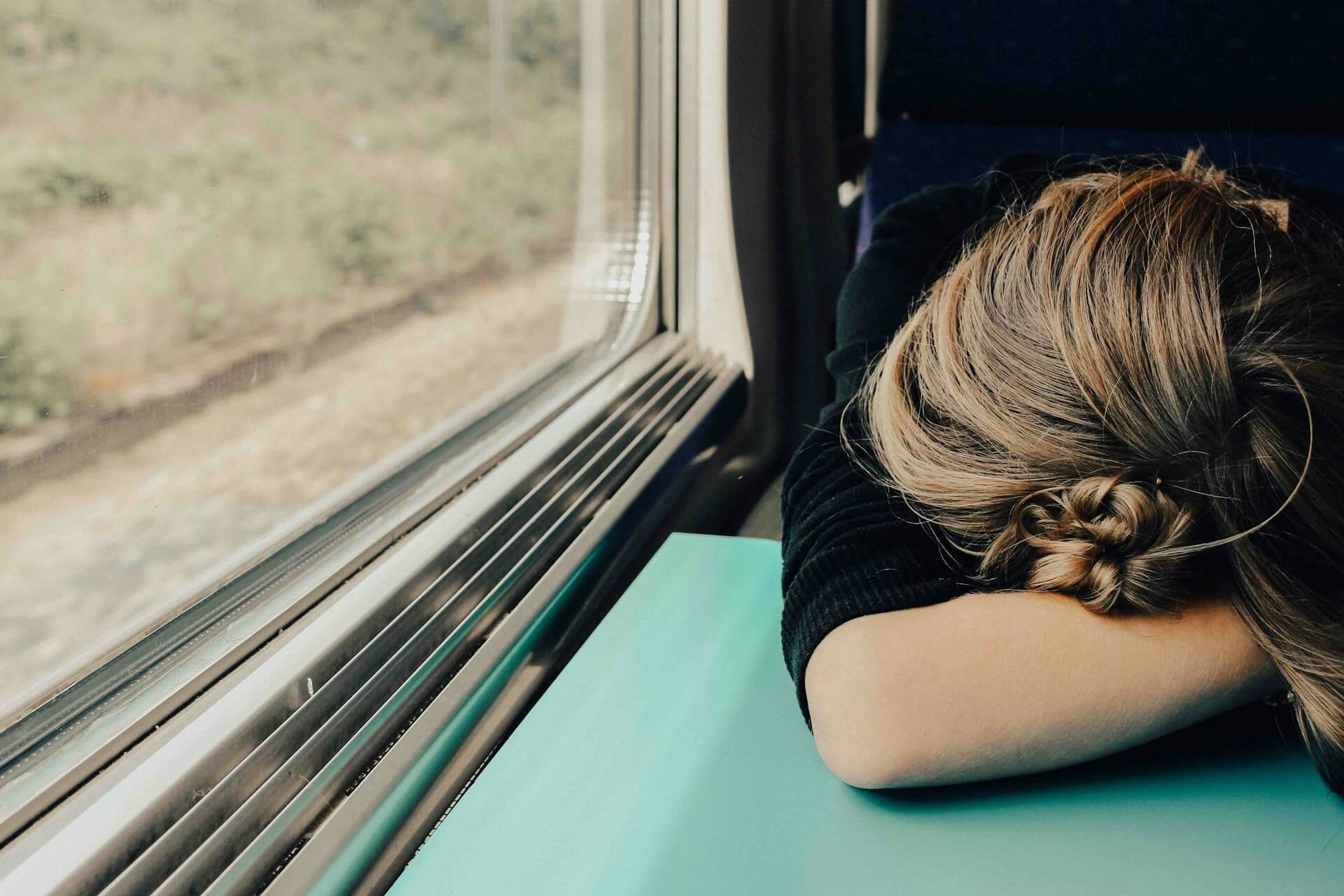
If you had told me a year ago that I would routinely wake up at 3:00 AM drenched in sweat and absolutely furious at my husband for breathing too loudly, I would have laughed.
But here we are.
I recently hit my early 50’s, and over the last few months, my body and brain decided to stage a mutiny. I was exhausted, irritable, and my usually clockwork-like menstrual cycle was suddenly treating my calendar like a loose suggestion. I honestly thought I was just burned out. It wasn’t until I sat down with my doctor—and then spent a solid week falling down late-night medical rabbit holes—that I finally got a name for my personal brand of chaos: Perimenopause.
If you’re sitting there reading this while fanning yourself with a piece of junk mail, trust me, I see you. Let’s talk about what this “reverse puberty” actually is, the symptoms that totally blindsided me, and what the experts say is actually happening to our bodies.
What Exactly Is Perimenopause?
Before this started, I thought you just woke up one day in your 50s, stopped having your period, and that was menopause. I was entirely wrong.
According to the Cleveland Clinic, perimenopause is the transitional time around menopause. It’s the stretch of time when our bodies are gradually preparing to stop ovulating, leading up to that final menstrual period.
The kicker? This phase can last anywhere from four to eight years. When I read that, I nearly dropped my phone. For many of us, this transition kicks off in our 40s (or even our late 30s), which explains why I was feeling so completely out of whack way earlier than I expected.
The Symptoms Nobody Warned Me About
I think the most frustrating part of this journey has been the lack of open conversation. A fascinating read from the Canadian Institutes of Health Research (CIHR) points out just how much this life stage is under-discussed, leaving women to figure it out on their own.
Well, consider this me doing my part to overshare. Here are the symptoms that hit me the hardest:
1. The Great Estrogen Rollercoaster (and Irregular Periods)
I used to know exactly when my period was coming. Now? It’s a total guessing game. I learned from the Mayo Clinic that during perimenopause, estrogen levels don’t just drop slowly—they rise and fall unevenly. This hormone rollercoaster is exactly why our cycles get longer, shorter, heavier, or lighter.
2. My Personal Inferno: Hot Flashes and Night Sweats
The hot flashes are no joke. One minute I’m shivering in a sweater, and the next, a wave of intense heat starts in my chest and spreads to my face. It usually peaks right as I’m trying to fall asleep. Waking up with my pajamas plastered to my back was the final straw that made me book my doctor’s appointment.
3. Brain Fog and Mood Swings
Have you ever walked into a room and completely forgotten why? Multiply that by ten. The brain fog is real, and the mood swings are wild. Some days I feel like my normal self, and other days I could cry over a commercial for dog food. It’s validating to know that the fluctuating hormones are directly messing with our sleep and our moods.
How I’m Surviving the Transition
I’m still in the thick of it, but after scouring resources like HealthLink BC and talking with my healthcare provider, I’ve started putting a few coping strategies into place.
- Layering is a Lifestyle: I no longer wear heavy sweaters. Everything is layers. Tank tops under cardigans under jackets. When a hot flash hits, I need to be able to peel off clothes in record time.
- Protecting My Sleep: I’ve lowered the temperature in my bedroom to what my family calls “refrigeration levels.” I also swapped my thick duvet for a breathable, moisture-wicking blanket.
- Moving My Body: Even on the days when I’m exhausted, I force myself to go for a brisk walk. The experts note that staying active helps ward off the bone loss that can happen as our estrogen drops, and it does wonders for my mood swings.
- Giving Myself Grace: This is the hardest one, but the most important. Our bodies are going through a massive, totally natural transition. It’s okay to be tired. It’s okay to need a minute.
You Are Not Alone
If you’re currently dealing with wild periods, unexplained anxiety, or waking up in a pool of your own sweat, please know you aren’t going crazy. You are likely just in perimenopause.

Talk to your doctor, talk to your girlfriends, and most importantly, don’t suffer in silence. There are treatments available—from lifestyle changes to Hormone Replacement Therapy (HRT)—and you don’t have to just “tough it out.”
We’re in this messy, sweaty, chaotic phase of life together.
Sources & Further Reading
This post is based on my own experiences, backed up by the incredible, evidence-based information provided by these leading health organizations. I highly recommend reading their full articles if you suspect you are entering perimenopause:
- Mayo Clinic: Perimenopause – Symptoms and Causes
- Cleveland Clinic: Perimenopause: Signs, Symptoms & Treatment
- HealthLink BC: Menopause and Perimenopause Overview
- Canadian Institutes of Health Research (CIHR): Let’s Talk About Menopause